COMMUNITY DEVELOPMENT SECTOR –
1. EXECUTIVE SUMMARY
Jubaland State faces significant community development challenges driven by prolonged
conflict, climate shocks, poverty, weak infrastructure, and limited access to basic social services.
Communities in rural and peri-urban areas continue to experience vulnerabilities related to food
insecurity, limited healthcare access, inadequate education, weak livelihoods, and insufficient
protection systems for vulnerable groups.
Tayo Resilience Foundation conducted this sector assessment to analyze community
development needs, identify service gaps, and provide strategic recommendations to support
sustainable development and resilience building across Jubaland.
The assessment found that vulnerable populations—particularly women, children, internally
displaced persons (IDPs), elderly individuals, and marginalized groups—are disproportionately
affected by poverty, unemployment, poor healthcare access, and limited social protection
systems.
Despite the presence of humanitarian actors, gaps remain in:
- Community resilience and preparedness
- Livelihood and economic empowerment
- Access to quality healthcare and social services
- Community infrastructure development
- Protection and inclusion of vulnerable populations
There is a strong need for integrated, community-based development interventions to strengthen
resilience, improve service delivery, and promote sustainable livelihoods.
2. ORGANIZATIONAL BACKGROUND
Tayo Resilience Foundation is a national non-governmental organization dedicated to
strengthening community resilience, improving healthcare access, promoting sustainable
livelihoods, and supporting vulnerable populations across Somalia.
The Foundation works in close collaboration with:
- Local authorities
- Community leaders
- International and national partners
The Foundation prioritizes interventions targeting:
- Women and children
- Internally displaced persons (IDPs)
- Elderly populations
- Marginalized and vulnerable communities
3. ASSESSMENT OBJECTIVES
The primary objectives of this sector assessment are to:
- Identify key community development challenges in Jubaland
- Analyze gaps in essential services and infrastructure
- Assess vulnerabilities among target populations
- Identify priority intervention areas
- Support program design and strategic planning
- Inform donors and partners on development needs
4. METHODOLOGY
The assessment used a mixed-method approach including:
4.1 Key Informant Interviews (KIIs)
Conducted with:
- Community leaders
- Local government officials
- Health workers
- Women representatives
- Youth representatives
4.2 Community Consultations
Engagement with community members including:
- Women groups
- Youth groups
- IDPs
- Elderly individuals
4.3 Secondary Data Review
Review of:
- Government reports
- UN and NGO assessments
- Humanitarian needs overview
- Sector reports
4.4 Field Observations
Assessment of:
- Health facilities
- Community infrastructure
- IDP settlements
- Livelihood activities
5. GEOGRAPHIC COVERAGE
The assessment covered key districts within Jubaland including:
- Kismayo
- Afmadow
- Dhobley
- Bardhere
With particular focus on:
- Rural communities
- IDP settlements
- Underserved urban areas
6. CONTEXT OVERVIEW
6.1 Demographic Context
Jubaland hosts:
- Large rural populations
- Significant numbers of internally displaced persons
- Youth-dominated population
High population growth and displacement have increased pressure on limited resources.
6.2 Socio-Economic Conditions
Major challenges include:
- High unemployment rates, especially among youth
- Limited income opportunities
- Heavy reliance on pastoralism and small-scale agriculture
- Loss of livelihoods due to drought and conflict
Many households lack stable income sources.
6.3 Climate and Environmental Challenges
Communities face recurring:
- Drought
- Flooding
- Environmental degradation
- Water scarcity
These shocks significantly affect food security and livelihoods.
7. KEY COMMUNITY DEVELOPMENT NEEDS
7.1 Healthcare Needs
Key gaps include:
- Limited access to primary healthcare services
- Shortage of trained health workers
- Inadequate maternal and child health services
- Poor emergency preparedness and response capacity
- Lack of mobile health services for remote communities
Vulnerable groups such as women, children, and elderly are most affected.
7.2 Livelihood and Economic Development
Major livelihood challenges include:
- High unemployment
- Lack of vocational skills
- Limited access to business opportunities
- Lack of financial services
- Weak income generation activities
Youth and women are particularly affected.
7.3 Education and Skills Development
Challenges include:
- Limited access to education
- Lack of vocational training centers
- High dropout rates
- Limited youth empowerment opportunities
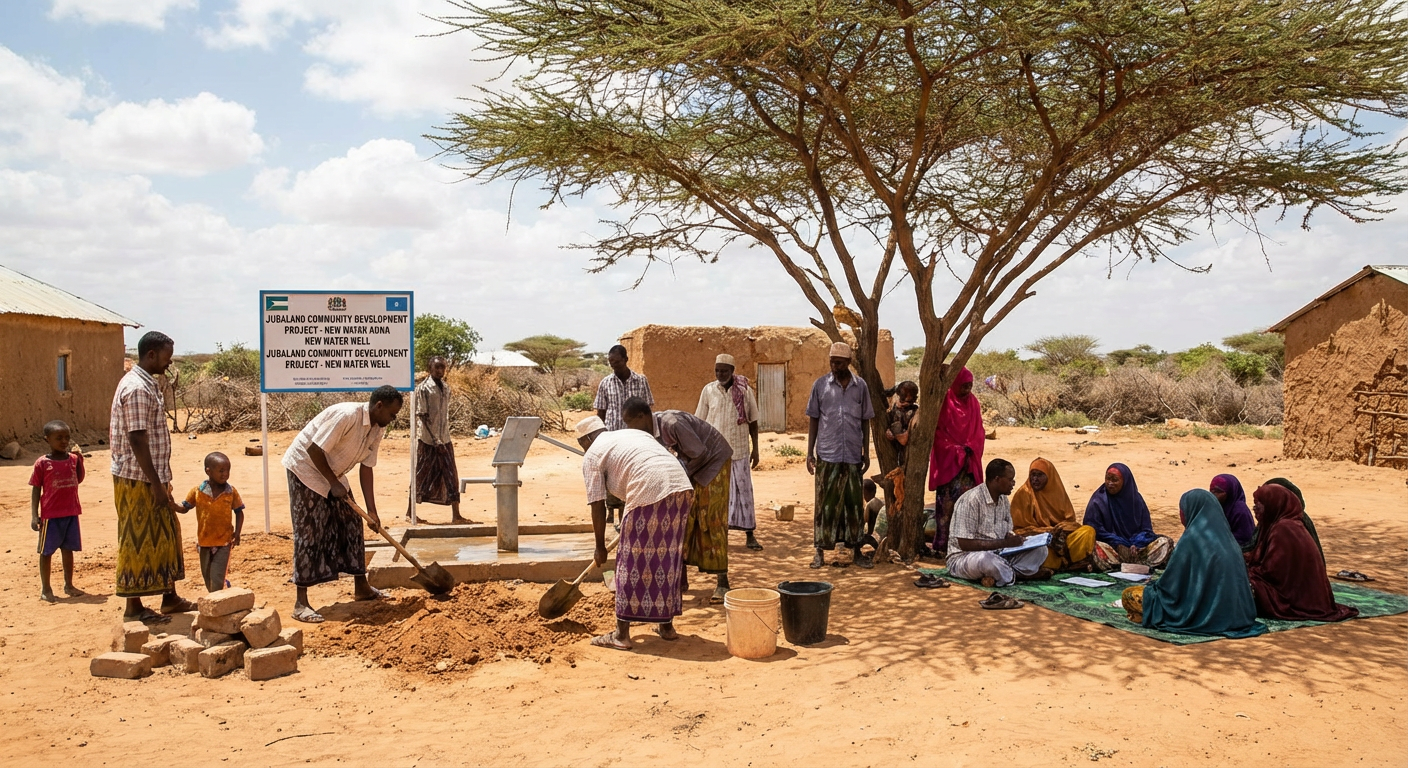
7.4 Community Infrastructure
Critical infrastructure gaps include:
- Poor health facilities
- Limited water supply system
Inadequate sanitation facilities
- Poor road access
- Lack of community centers
7.5 Protection and Social Services
Vulnerable groups face:
- Lack of protection services
- Limited psychosocial support
- Lack of elderly care services
- Gender-based violence risks
- Limited social safety nets
7.6 Emergency Preparedness and Community Resilience
Communities have limited capacity to respond to:
- Disease outbreaks
- Drought
- Flooding
- Conflict and displacement
There is a need for stronger community-based preparedness systems.
8. KEY VULNERABLE GROUPS
The most vulnerable populations include:
- Internally Displaced Persons (IDPs)
- Women and female-headed households
- Children
- Elderly individuals
- Persons with disabilities
- Marginalized communities
- Unemployed youth
9. EXISTING GAPS IN SERVICES
Despite ongoing humanitarian efforts, major gaps include:
- Insufficient healthcare services
- Limited livelihood support programs
- Weak community resilience systems
- Limited protection and social services
- Inadequate infrastructure development
10. PRIORITY INTERVENTION AREAS FOR TAYO RESILIENCE FOUNDATION
Based on the assessment, the Foundation will prioritize:
10.1 Healthcare Strengthening
- Support primary healthcare services
- Improve maternal and child healthcare
- Provide mobile health services
- Strengthen emergency preparedness
10.2 Livelihood and Economic Empowerment
- Vocational skills training
- Youth employment programs
- Women economic empowerment programs
- Small business support
10.3Community Resilience and Emergency Preparedness
- Community emergency preparedness training
- Disaster risk reduction programs
- Community resilience strengthening
10.4Support for Vulnerable Populations
- Support elderly care programs
- Support IDPs
- Protection and psychosocial support
10.5Community Infrastructure Development
- Support health facility improvement
- Support water and sanitation services
- Support community infrastructure
11. Strategic Opportunities
Opportunities exist to:
- Strengthen collaboration with government
- Partner with international donors
- Expand community-based programs
- Improve service delivery
- Strengthen resilience and sustainability
12. CONCLUSION
Jubaland communities face complex and interconnected development challenges that require
integrated and sustainable interventions. Strengthening healthcare systems, improving
livelihoods, supporting vulnerable populations, and enhancing community resilience are essential
priorities.
Tayo Resilience Foundation is committed to addressing these challenges through community
based, inclusive, and sustainable development programs in partnership with government, donors,
and communities.
13. RECOMMENDATIONS
Key recommendations include:
- Expand access to healthcare services
- Strengthen livelihood and employment opportunities
- Improve community infrastructure
- Strengthen protection systems
- Enhance community resilience
- Increase investment in community development programs
Hi, this is a comment.
To delete a comment, just log in and view the post's comments. There you will have the option to edit or delete them.