Community-Based Environmental Conservation and Sustainable Livelihoods in Jubaland
- Project Name: Environmental Conservation Project – Jubaland
- Organization: Tayo Resilience Foundation
- Project Start Date : February 2019
- Project End Date: January 2020
- TRF-ENV-JUB-2024-01: www.tayoresiliencefoundation.com
Project Title
Community-Based Environmental Conservation and Sustainable Livelihoods in Jubaland
Location
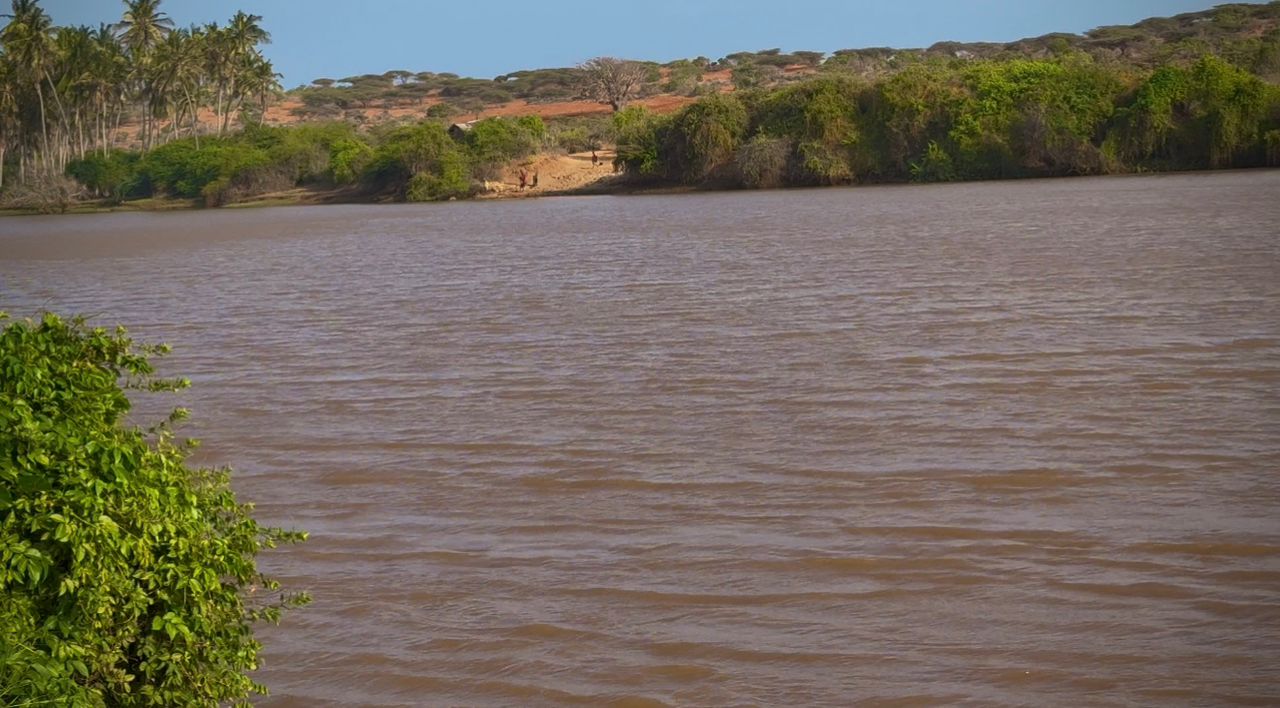
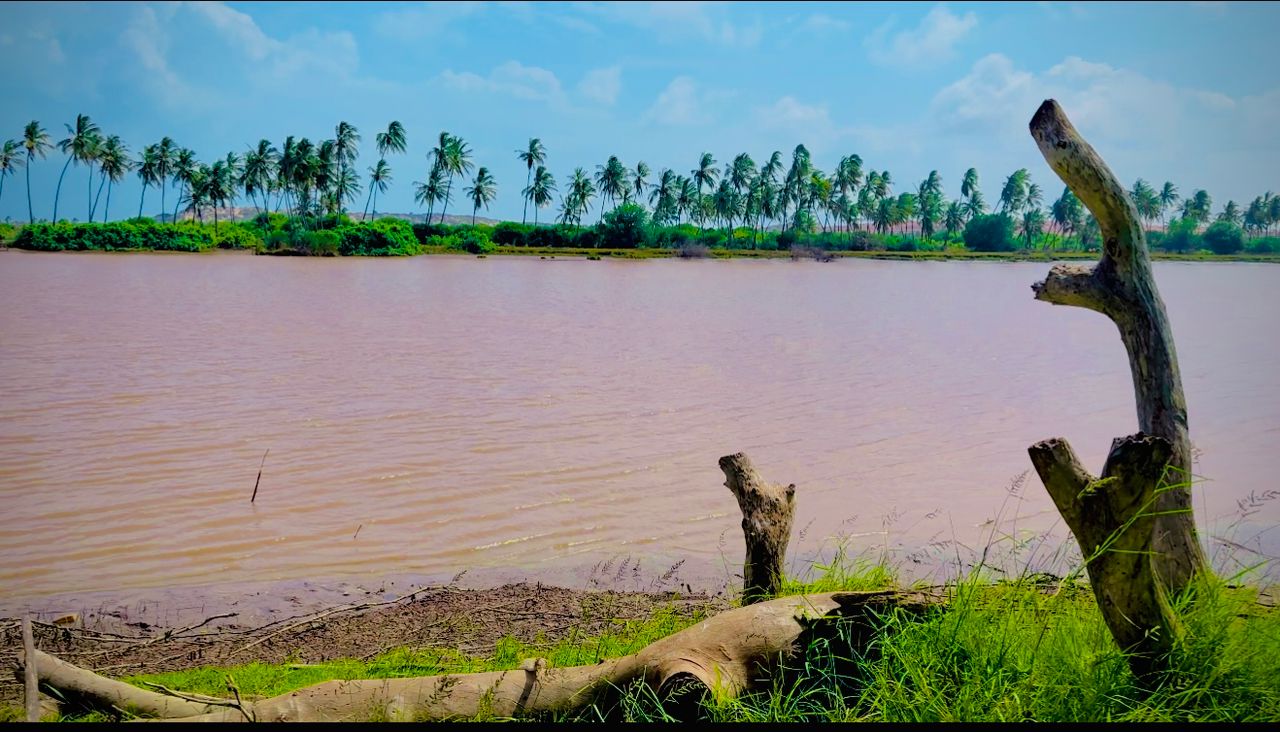
Jubaland State, Somalia (Kismayo, Afmadow, and surrounding rural and coastal areas).
Implemented by:
Tayo Resilience Foundation
Project Duration
February 2019 – January 2020
Overall Objective
To promote environmental conservation and sustainable natural resource management while improving the livelihoods of vulnerable communities in Jubaland.
Specific Objectives
- Increase community awareness on environmental protection
- Promote sustainable use of land, water, and marine resources
- Reduce environmental degradation (deforestation, overfishing, land degradation)
- Strengthen climate resilience among local communities
Importance of the Project
Jubaland is rich in natural resources, including:
- Marine resources (fisheries)
- Forests and vegetation
- Agricultural land
However, the region faces serious environmental challenges:
- Deforestation
- Unsustainable fishing practices
- Soil erosion and land degradation
- Climate change impacts (droughts and floods)
This project was critical for:
- Protecting natural ecosystems
- Enhancing food security
- Supporting sustainable livelihoods
- Building long-term community resilience
Target Beneficiaries
- 200 rural and coastal households
- 120 women
- 80 youth
- 50 small-scale fishers
Total: 450 direct beneficiaries
Key Activities Implemented
- Environmental Awareness Campaigns
- Community sessions on environmental protection
- Education on sustainable practices
- Awareness on climate change impacts
- Capacity Building and Training
- Training on climate-smart agriculture
- Sustainable fisheries management
- Natural resource conservation practices
3.Community Clean-Up Campaigns
- Coastal and village clean-up activities
- Waste management awareness
4. Alternative Livelihood Support
- Support to women for small businesses
- Skills training for youth
- Income-generating activities
Key Results & Achievements
- 400+ community members trained
- 3,000+ trees successfully planted
- 60% improvement in environmental practices at community level
- 150 households adopted sustainable livelihood practices
- Increased participation of women and youth
Impact
The project contributed to:
- Improved environmental protection in Jubaland
- Reduced land degradation and harmful practices
- Increased household income
- Strengthened community awareness and resilience
Lessons Learned
- Community engagement is key to sustainability
- Women’s participation increases impact
- Combining livelihoods with conservation ensures better results
Challenges Faced
- Climate variability (drought conditions)
- Limited resources and infrastructure
- Low initial awareness among communities
Sustainability Plan
- Community environmental committees established
- Continued local engagement and ownership
- Ongoing use of acquired skills and practices
Conclusion
This project successfully demonstrated that integrating environmental conservation with livelihood support can significantly improve both ecological sustainability and community resilience in Jubaland.
Summary:
Tayo Resilience Foundation implemented a community-based environmental conservation project in Jubaland, reaching over 400 beneficiaries through awareness campaigns, and sustainable livelihood support, contributing to improved environmental protection and resilience.