ENVIRONMENT
1: Organizational Background
Tayo Resilience Foundation (TRF) is multi-sector NGO non-governmental, non-profit, and humanitarian organization dedicated to strengthening community resilience, improving environmental sustainability,
and enhancing the well-being of vulnerable populations across Somalia, TRF works closely with local
communities, government institutions, and humanitarian partners to address environmental challenges,
climate risks, and disaster vulnerabilities.
The Foundation focuses on promoting sustainable environmental management, climate adaptation,
disaster risk reduction, and ecosystem restoration to ensure long-term resilience and sustainable
livelihoods for affected communities.
Jubaland State remains one of the most climate-vulnerable regions in Somalia, facing recurrent droughts,
floods, land degradation, and environmental deterioration. TRF aims to support environmental recovery
and climate resilience through integrated, community-based environmental interventions.
2. Geographic and Environmental Context of Jubaland
Jubaland is located in southern Somalia and comprises the regions of:
- Lower Juba
- Middle Juba
- Gedo
The state is characterized by diverse ecological systems including:
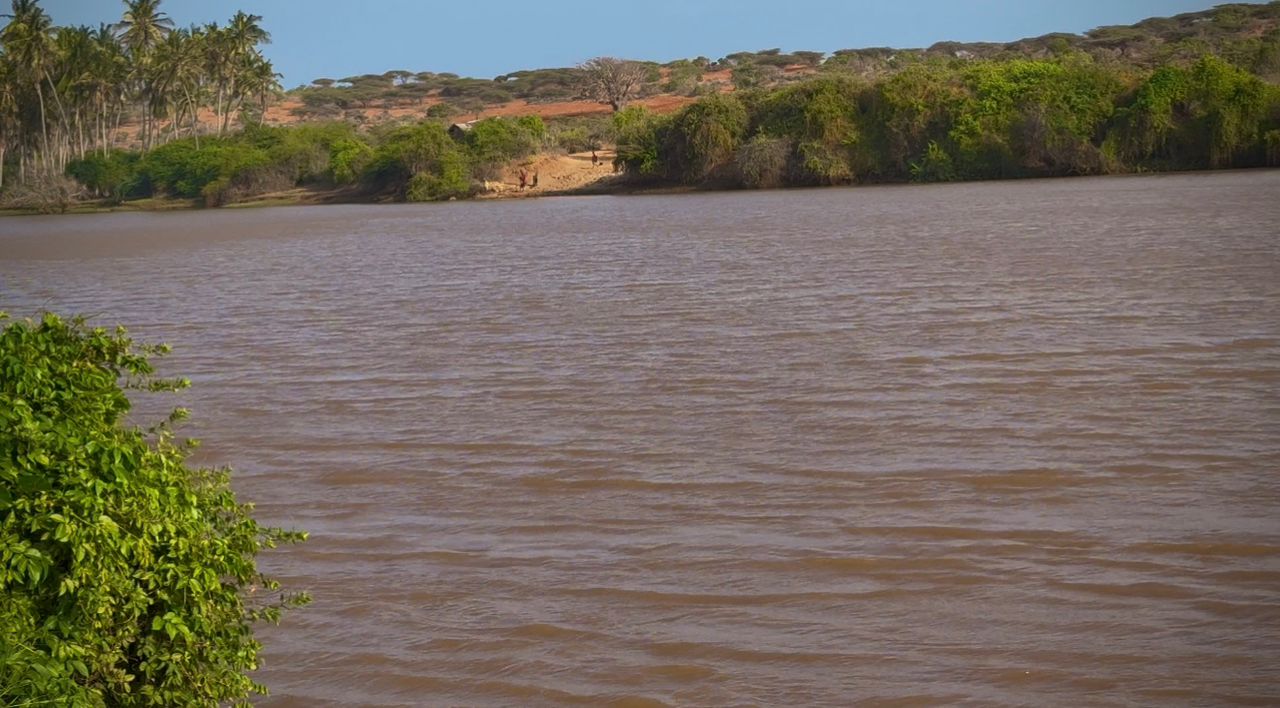
Riverine ecosystems along the Juba River.
- Rangelands and pastoral areas
- Agricultural zones
- Coastal ecosystems
- Forest and woodland areas
The region supports pastoralists, agro-pastoralists, farmers, and fishing communities who depend heavily
on natural resources for survival.
However, environmental degradation and climate variability have significantly weakened ecosystem
stability and community resilience.
3. Key Environmental Challenges
3.1 Recurrent Drought
Jubaland faces frequent and severe droughts, which have resulted in:
- Loss of vegetation and pasture
- Water scarcity for humans and livestock
- Increased livestock mortality
- Reduced agricultural productivity
- Increased displacement of communities
Climate change has intensified drought frequency, reducing the recovery capacity of ecosystems.
3.2 Flooding and Riverine Environmental Damage
3.2 Flooding and Riverine Environmental Damage
Seasonal flooding along the Juba River causes:
- Soil erosion
- Destruction of farmland
- Loss of crops and livelihoods
- Damage to ecosystems and infrastructure
- Contamination of water sources
Flooding also accelerates environmental degradation and increases disaster risks.
3.3 Deforestation and Charcoal Production
Deforestation remains one of the most critical environmental threats in Jubaland due to:
- Charcoal production for income
- Fuelwood collection
- Expansion of settlements
- Lack of alternative energy sources
This has resulted in:
- Loss of biodiversity
- Desertification
- Soil degradation
- Increased vulnerability to drought
3.4 Land Degradation and Desertification
Unsustainable land use practices such as:
- Overgrazing
- Deforestation
- Poor agricultural practices
Have led to:
- Loss of soil fertility
- Reduced vegetation cover
- Increased desertification
- Reduced agricultural productivity
3.5 Waste Management Challenges
Urban areas such as Kismayo face increasing environmental risks due to:
- Poor solid waste management systems
- Lack of waste disposal infrastructure
- Open dumping and burning of waste
- Environmental pollution
- Health risks for communities
Improper waste management contributes to environmental contamination and disease outbreaks.
3.6 Climate Change Impacts:
Climate change has intensified environmental challenges through:
- Increased temperature levels
- Irregular rainfall patterns
- Increased drought frequency
- Increased flooding risks
- Reduced ecosystem resilience
Climate change threatens long-term environmental sustainability and livelihoods.
4. IMPACT ON VULNERABLE COMMUNITIES
Environmental degradation in Jubaland has severe consequences for vulnerable populations, including:
- Pastoralist and agro-pastoralist communities
- Women and children
- Internally Displaced Persons (IDPs)
- Rural communities dependent on natural resources
- Poor and marginalized households
Key impacts include:
- Loss of livelihoods
- Food insecurity
- Water scarcity
- Increased poverty
- Increased displacement
- Increased vulnerability to disasters
Women and children are disproportionately affected due to their roles in water and resource collection.
5. INSTITUTIONAL AND CAPACITY GAPS
Key gaps in the environmental sector include:
- Limited environmental protection systems
- Weak environmental governance and enforcement
- Limited community awareness on environmental conservation
- Lack of climate adaptation programs
- Limited disaster risk reduction systems
- Insufficient reforestation and ecosystem restoration programs
- Limited waste management infrastructure
There is a strong need for coordinated environmental interventions involving government, NGOs, and
communities.
6. OPPORTUNITIES FOR ENVIRONMENTAL INTERVENTIONS
There are significant opportunities to strengthen environmental resilience in Jubaland through:
6.1 Reforestation and Ecosystem Restoration
- Tree planting programs
- Community forestry initiatives
- Restoration of degraded land
- Protection of natural ecosystems
6.2 Climate Change Adaptation Programs
- Climate-smart agriculture
- Drought mitigation strategies
- Water conservation systems
- Sustainable land management
6.3 Community Environmental Awareness
- Environmental education programs
- Community mobilization and training
- Promotion of sustainable environmental practices
6.4 Disaster Risk Reduction and Environmental Protection
- Flood mitigation measures
- Early warning systems
- Environmental protection programs
- Community resilience strengthening
6.5 Sustainable Energy Promotion
- Promotion of alternative energy sources
- Reduction of charcoal dependence
- Promotion of energy-efficient cooking technologies
6.6 Waste Management Improvement
- Community waste management programs
- Waste collection and disposal systems
- Environmental sanitation initiatives
7. TAYO RESILIENCE FOUNDATION STRATEGIC ENVIRONMENTAL
PRIORITIES
Based on this assessment, Tayo Resilience Foundation prioritizes the following environmental
interventions:
Priority 1: Environmental Restoration
- Tree planting and reforestation
- Land restoration
- Ecosystem protection
Priority 2: Climate Change Adaptation
- Climate-resilient livelihood programs
- Climate awareness and education
- Community adaptation strategies
Priority 3: Disaster Risk Reduction
- Flood and drought mitigation programs
- Environmental disaster preparedness
- Community resilience strengthening
Priority 4: Environmental Protection and Awareness
- Environmental education programs
- Community environmental training
- Environmental advocacy and protection
Priority 5: Sustainable Resource Management
- Sustainable land use promotion
- Water resource protection
- Natural resource conservation
8. TARGET AREAS
TRF will prioritize environmental interventions in:
- Kismayo District
- Afmadow District
- Bardhere District
- Luuq District
- Rural and vulnerable communities across Jubaland
Priority will be given to high-risk, climate-affected, and environmentally degraded areas.
9. CONCLUSION
Jubaland faces significant environmental challenges driven by climate change, deforestation, land
degradation, and weak environmental management systems, these challenges threaten livelihoods,
increase vulnerability, and undermine long-term sustainability.
There is an urgent need for coordinated environmental interventions focused on:
- Ecosystem restoration
- Climate change adaptation
- Disaster risk reduction
- Environmental protection
- Sustainable resource management
Tayo Resilience Foundation is committed to working with communities, government, and partners to
strengthen environmental resilience and promote sustainable environmental recovery across Jubaland.