Our Programs
What We Over
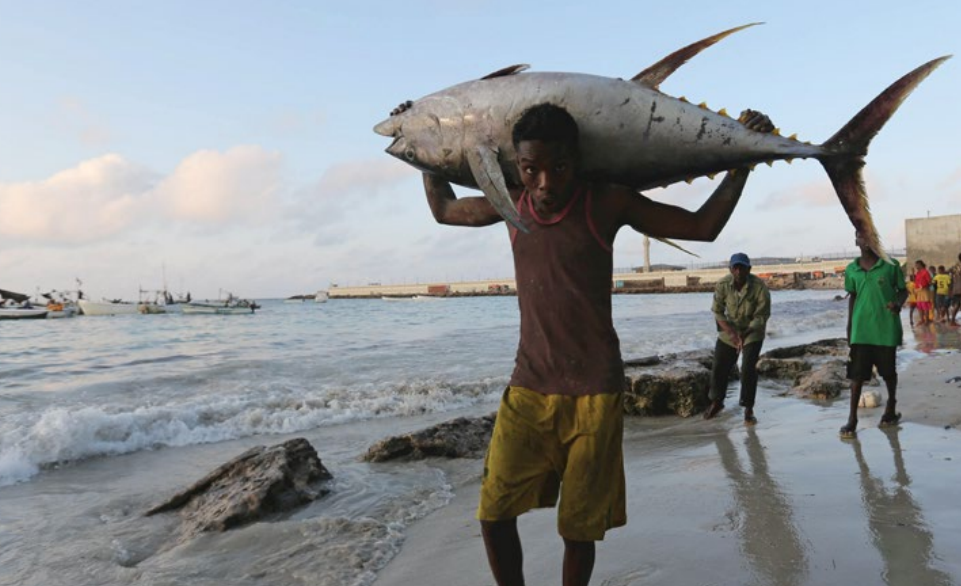
The Foundation supports small-scale and artisanal fishers through:
Fishing & Coastal Livelihoods
Tayo Resilience Foundation recognizes fisheries as a vital pillar of food security, nutrition, and sustainable livelihoods for coastal and riverine communities in East Africa, with a particular focus on Somali communities.
With abundant marine resources and an extensive coastline, the fisheries sector presents significant opportunities for economic growth, job creation, and community resilience when managed in a sustainable and inclusive manner.
- Improving access to appropriate, safe, and modern fishing equipment
- Strengthening cold storage, preservation, and fish processing facilities
- Enhancing market access, value chain development, and income opportunities
A strong emphasis is placed on environmental protection and sustainability by:
- Promoting responsible and sustainable fishing practices
- Safeguarding marine ecosystems and biodiversity
- Ensuring the long-term availability of fishery resources for future generations
Through community-driven approaches, Tayo Resilience Foundation focuses on:
- Capacity building and technical skills development
- Empowering fishing communities, particularly youth and women
- Strengthening partnerships with local authorities, cooperatives, and key stakeholders
Through these efforts, the Foundation aims to:
- Enhance household income and economic stability
- Improve food security and nutrition
- Build resilient coastal livelihoods capable of withstanding climate, environmental, and economic challenges
Agriculture & Sustainable Livelihoods
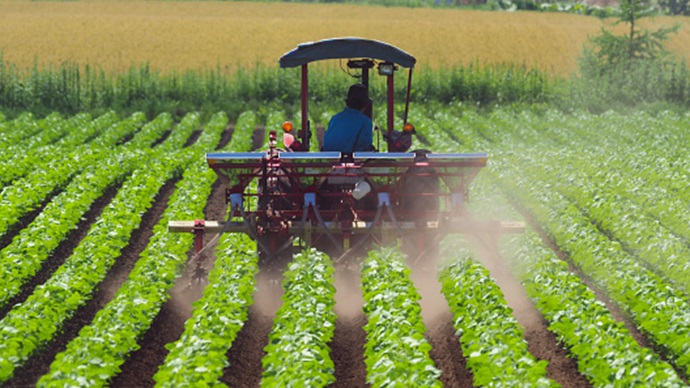
Tayo Resilience Foundation views agriculture as a cornerstone of food security, economic stability, and community resilience in East Africa, with a particular focus on Somali communities.
With fertile agricultural lands and the vital Jubba and Shabelle rivers, agriculture plays a critical role in supporting farming and agro-pastoral livelihoods and sustaining rural economies.
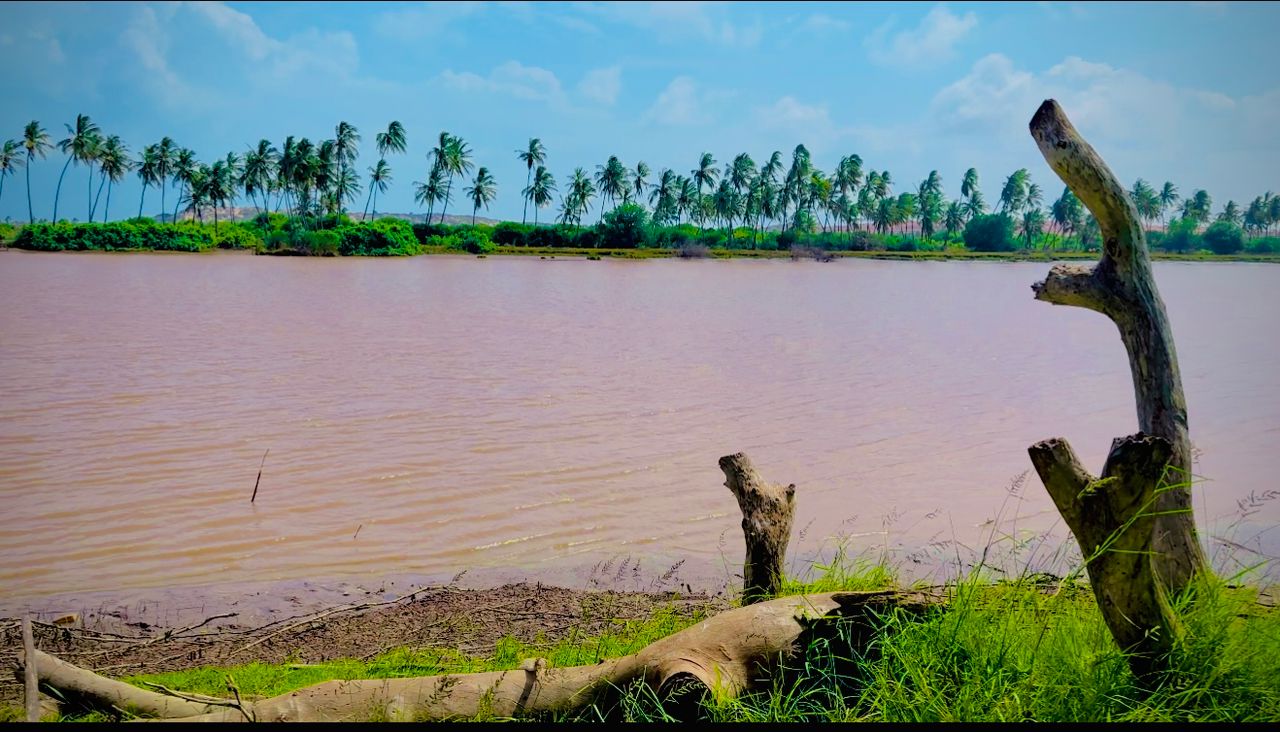
The Foundation’s agricultural programs focus on empowering smallholder farmers through:
- Promoting climate-smart and sustainable agricultural practices
- Improving access to quality seeds and appropriate farming tools
- Strengthening and rehabilitating irrigation systems to enhance water access
Tayo Resilience Foundation works closely with farming communities to:
- Enhance crop production and overall productivity
- Diversify livelihoods and household income sources
- Improve household nutrition and food availability
- Protect natural resources and promote sustainable land use
Through capacity building and farmer-led solutions, the Foundation emphasizes:
- Strengthening local knowledge, technical skills, and innovation
- Encouraging community ownership and long-term sustainability
- Integrating resilience-based and adaptive approaches to climate challenges
- Protect natural resources and promote sustainable land use
Through these efforts, the Foundation aims to:
- Reduce vulnerability to climate shocks and environmental stressors
- Increase agricultural productivity and income generation
- Contribute to long-term food security and sustainable development for vulnerable communities
Environment & Climate Resilience
- Promote environmental awareness and community-led conservation initiatives.
- Support sustainable natural resource management across Horn of Africa communities.
- Implement climate change adaptation and resilience-building programs.
- Engage communities in tree planting, waste management, and environmental cleanup activities.
- Contribute to a cleaner, greener, and healthier environment that supports sustainable development and community well-bein
Education & Learning Development
- Improve access to quality and inclusive formal education.
- Strengthen learning outcomes and pathways to higher education.
- Promote gender equity and safe, inclusive learning environments.
- Expand flexible non-formal education linked to training and employment.
- Equip marginalized groups with livelihood and life skills.
- Promote literacy, cultural heritage, peace, and social cohesion across the Horn of Africa
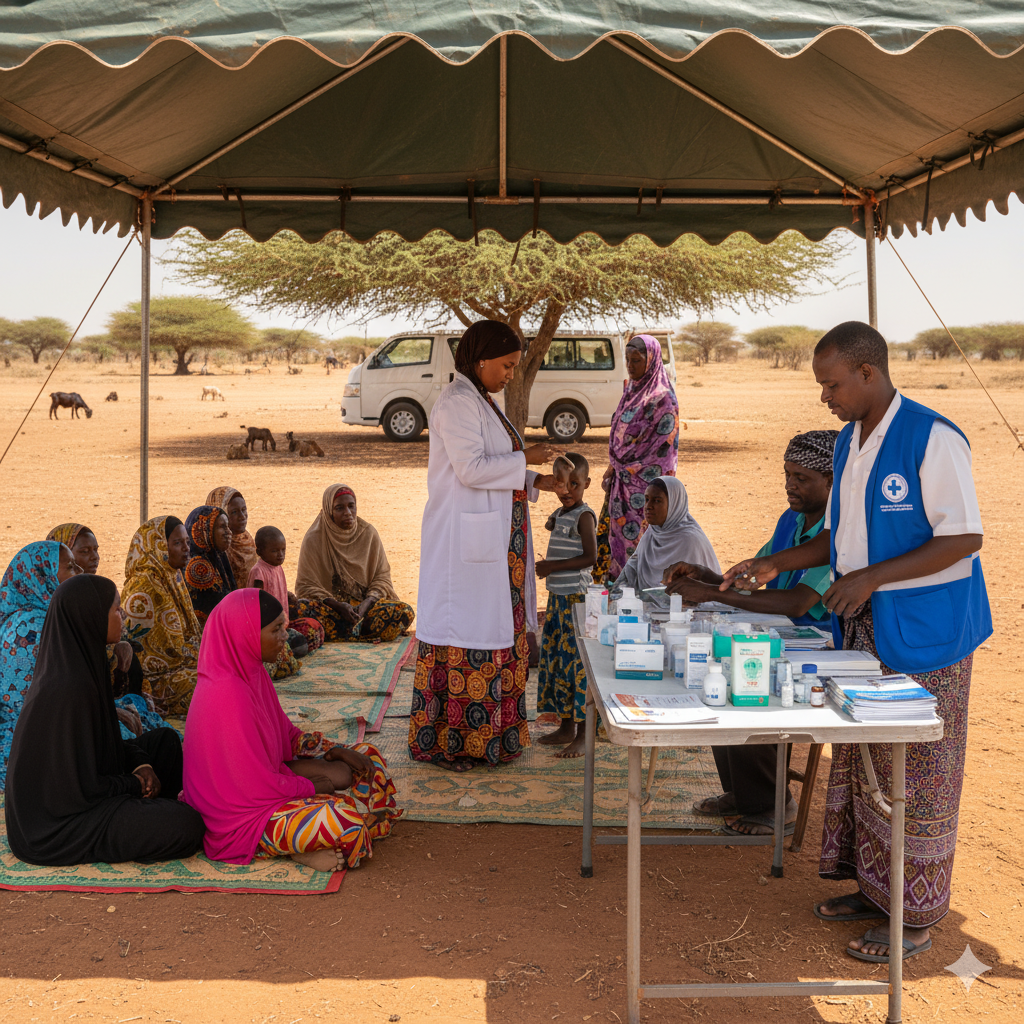
Health
- Strengthen community emergency preparedness and response to reduce health risks and improve resilience during disasters, disease outbreaks, and other public health emergencies.
- Enhance the Ministry of Health’s service delivery capacity by improving healthcare systems, governance, and the quality and accessibility of essential health services.
- Improve access to quality healthcare for women, children, and vulnerable populations, ensuring equity, inclusion, and protection for disadvantaged groups.
- Expand healthcare, long-term care, and hospice services for older persons, persons with disabilities, and community members affected by noncommunicable diseases (NCDs).
- Collaborate with development partners, donors, and humanitarian organizations to advance Universal Health Coverage (UHC) across the Horn of Africa region.
- Strengthen primary healthcare systems through innovative approaches and new opportunities, supporting the achievement of Universal Health Coverage and health-related Sustainable Development Goals (SDGs).
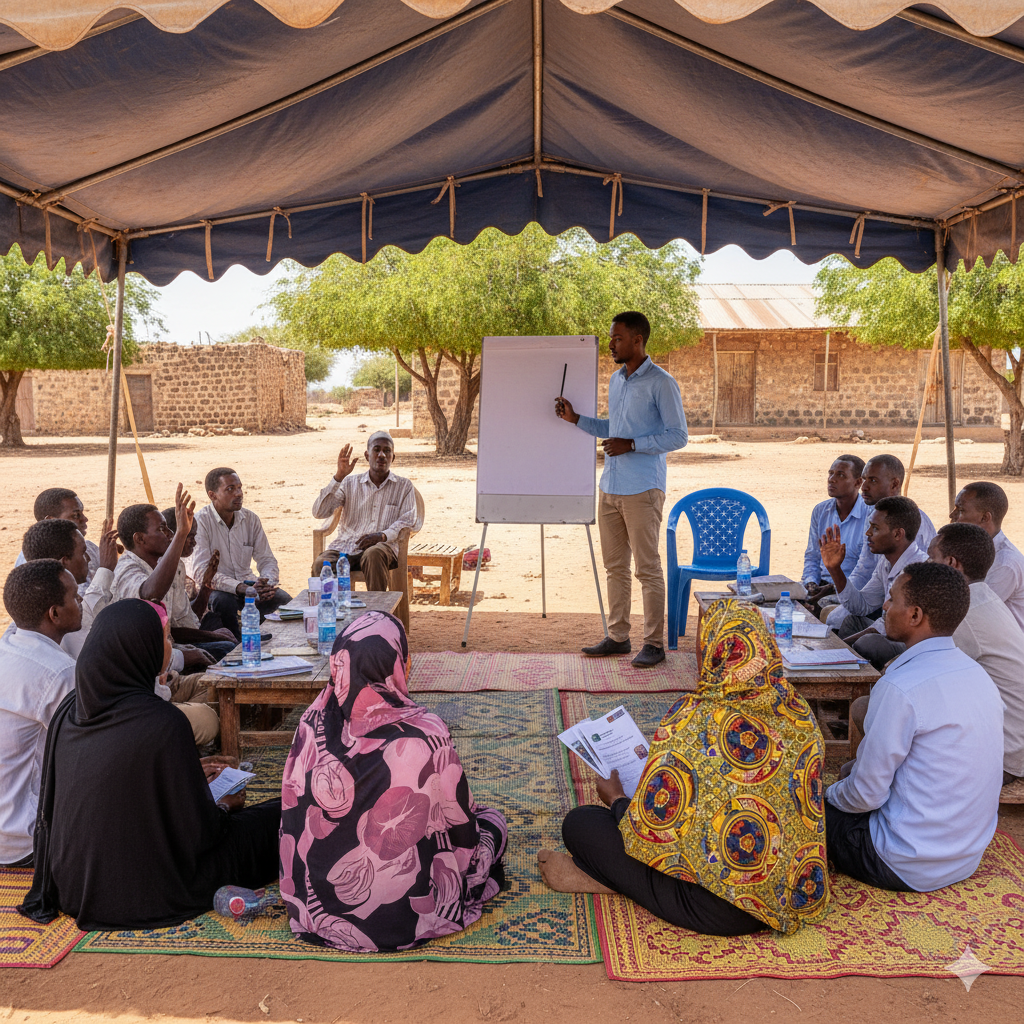
Community Development & Empowerment
- Drive positive and sustainable change within communities by supporting the development of resilient, inclusive, and thriving environments.
- Work closely with local communities to identify needs, co-create solutions, and ensure ownership of development initiatives.
- Promote holistic community development across key sectors, including education, healthcare, economic empowerment, and infrastructure development.
- Champion community-driven development approaches, enabling local residents to actively participate in decision-making and shape their own future.
- Design and implement context-specific, sustainable solutions through collaboration with stakeholders, government institutions, and partners.
- Foster cooperation, inclusivity, and social cohesion, ensuring equitable access to opportunities and resources for all community members.
- Build resilient and self-reliant communities capable of withstanding challenges and sustaining long-term growth.
- Create lasting impact by empowering individuals and communities, ensuring that everyone has the opportunity to thrive and contribute to a brighter future.
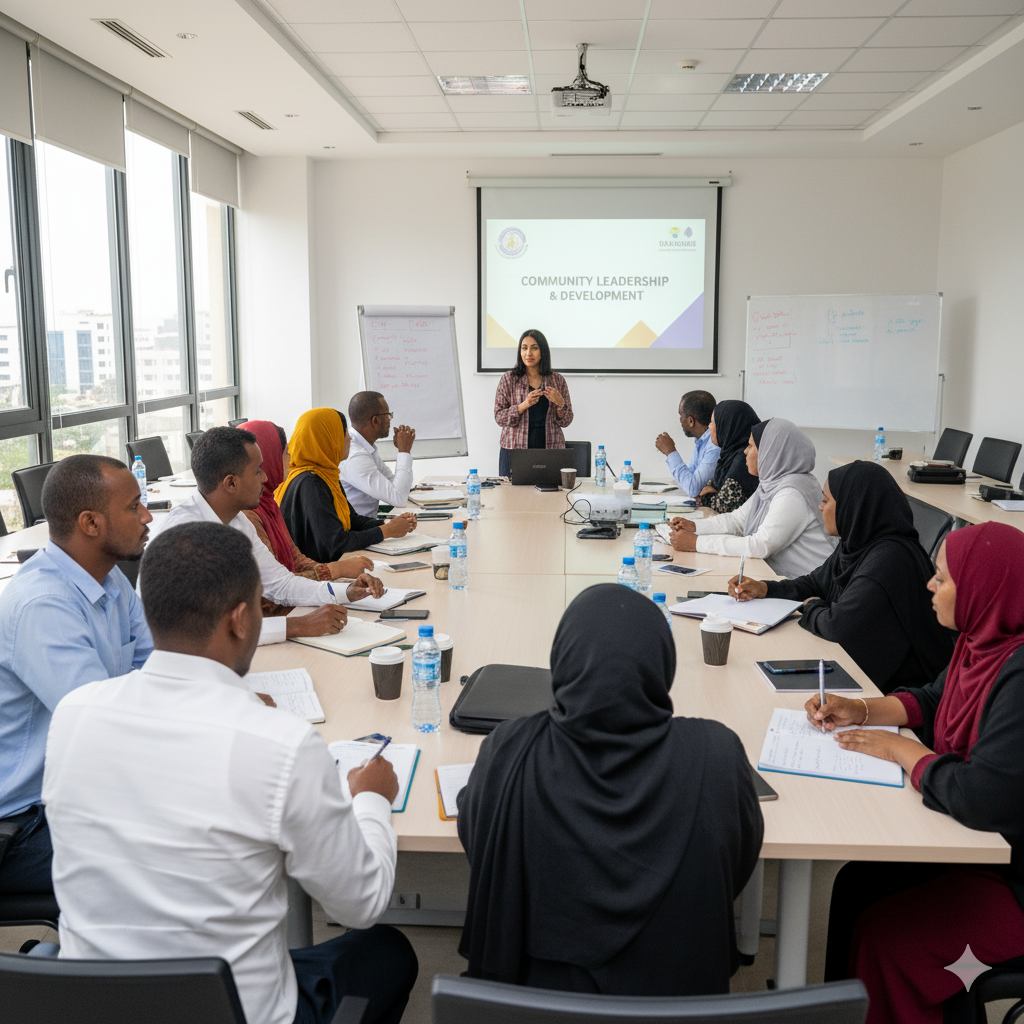
Capacity Building
- Empower individuals and organizations through comprehensive capacity-building programs that strengthen knowledge, skills, and institutional effectiveness.
- Design and deliver tailored capacity-building initiatives across key sectors, including education, healthcare, business development, and community development.
- Promote skills development, leadership, and organizational strengthening as foundations for long-term growth and improved service delivery.
- Invest in human and institutional capacity as a catalyst for sustainable development, resilience, and innovation.
- Apply practical, results-oriented learning approaches that translate knowledge into real-world impact at community and organizational levels.
- Support inclusive and equitable capacity development, ensuring opportunities for women, youth, and marginalized groups.
- Foster partnerships and knowledge sharing with stakeholders to scale impact and strengthen local systems.
- Build a future of empowered, capable, and self-reliant institutions and communities, contributing to sustainable development and lasting change.
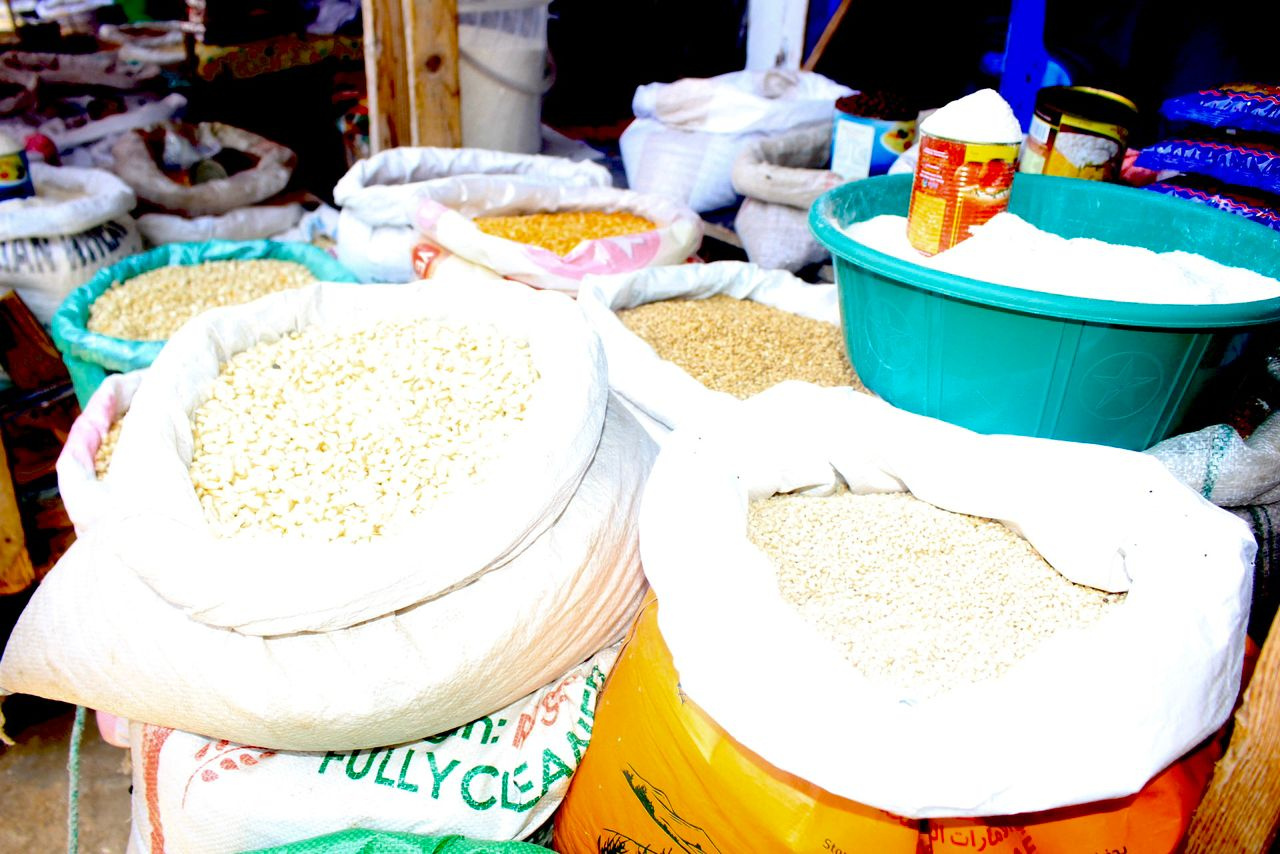
Food Security & Livelihood
- Enhance food security and strengthen sustainable livelihoods across communities in the Horn of Africa, with a focus on vulnerable and at-risk households.
- Empower smallholder farmers and households through climate-smart and sustainable agricultural practices that increase productivity and resilience.
- Improve access to essential resources, including agricultural inputs, water, technology, and markets, to support household food security and income generation.
- Deliver targeted capacity-building programs that strengthen skills, knowledge, and adaptive capacities to withstand climate shocks and economic stresses.
- Promote community-led and participatory approaches, ensuring local ownership, inclusion, and culturally appropriate solutions.
- Integrate innovation and evidence-based solutions to address food systems challenges and enhance long-term resilience.
- Support diversified and sustainable income opportunities to reduce vulnerability and improve economic stability for families.
- Advance long-term development strategies that ensure consistent access to nutritious food, sustainable livelihoods, and a more secure and resilient future for communities.
3
Projects Completed
25
Community Awareness
20
Health
7
Offices
Tayo Resilience Foundation