Fishing & Coastal Livelihoods
1: Introduction
Tayo Resilience Foundation (TRF) is a humanitarian NGO focused on strengthening the
livelihoods of vulnerable communities, promoting sustainable natural resource management, and
enhancing economic resilience, this assessment provides a detailed analysis of the fishing sector
and coastal livelihoods in Jubaland, particularly the coastal areas rich in marine resources along
the Indian Ocean, the aim is to provide an accurate understanding of opportunities, challenges,
and needs to inform sustainable and effective programming.
2: Objectives of the Assessment
The assessment aims to:
- Evaluate the overall status of fishing and coastal livelihoods in Jubaland.
- Identify existing marine resources and their utilization levels.
- Understand technical, economic, and social challenges facing fishers.
- Recommend sustainable development opportunities for TRF interventions.
3: Overview of the Jubaland Region
Jubaland is a strategically located region with extensive coastline, abundant fish stocks, and key
trade routes. Its coastal areas are among the richest in Somalia, offering diverse species such as
tuna, kingfish, sardines, lobster, and other high-value fish. Despite this abundance, the utilization
of resources remains limited.
4: Current Status of Fishing
4.1: Fishing Practices
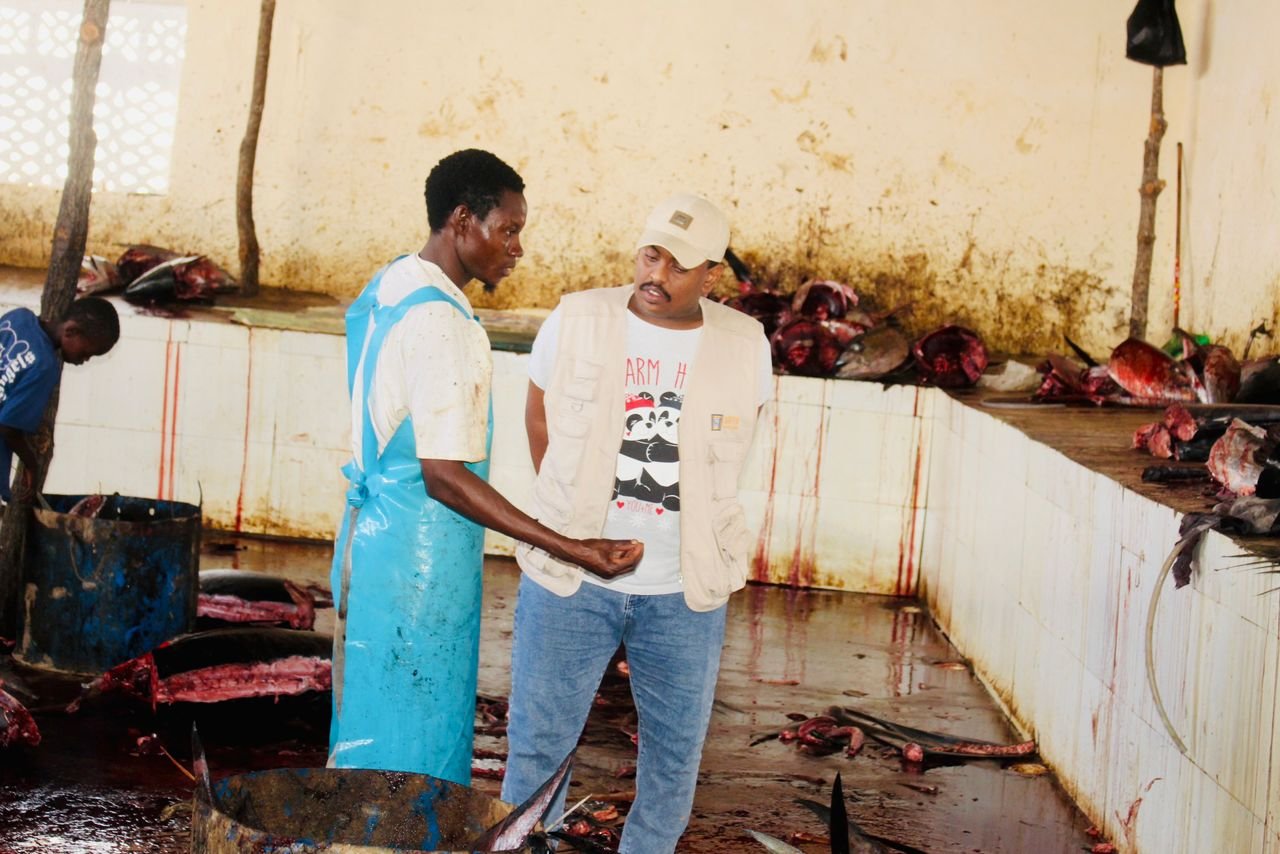
Most fishing in Jubaland is artisanal, relying on small boats, simple gear, and traditional
methods. Industrial fishing is not fully developed, resulting in lower productivity compared to
the potential capacity of the ocean.
4.2: Infrastructure and Services
- Small, outdated boats with low-powered engines.
- Limited fishing gear (nets, lines) and inadequate storage facilities.
- Very few cold storage facilities.
- Informal markets and weak value chain.
5: Economic and Social Impact
Fishing is a critical source of livelihood for many coastal households. However:
- Income is inconsistent.
- Youth and women are underrepresented in fisheries opportunities.
- Poverty and unemployment are high.
- Communities lack modern skills and market knowledge.
6: Key Challenges
The assessment identified several interlinked challenges:
- Illegal, unreported, and unregulated (IUU) fishing by foreign vessels.
- Limited technical knowledge among fishers (safety, modern techniques, management).
- Lack of investment and limited financial access.
- Climate change impacts and declining certain fish stocks.
- Weak regulatory framework and enforcement.
7: Opportunities
Despite challenges, Jubaland offers significant opportunities:
- Abundant marine resources.
- Domestic and export markets with unmet demand.
- Large pool of youth seeking employment.
- Potential for sustainable fishing, processing, and value addition.
8: Role of Tayo Resilience Foundation
TRF can play a key role by:
- Providing technical training to fishers (skills, safety, sustainable fishing).
- Supporting modern, safer boats and equipment.
- Developing cold storage and preservation facilities.
- Strengthening fish value chains.
- Including women and youth in livelihood programs.
9: Conclusion and Recommendations
The assessment demonstrates that fishing in Jubaland has significant economic potential but
requires strategic intervention, Tayo Resilience Foundation can transform the fishing sector into
a sustainable, employment-generating, and livelihood-enhancing resource, programs should be
designed for long-term impact, incorporating community engagement, government collaboration,
and marine resource protection.
This post is amazing, it is extremely thorough and in depth.