Agricultural & sustainable
Introduction
Agriculture is a critical pillar of livelihoods and food security in Jubaland, particularly in
Lower Juba, Middle Juba, and Gedo regions, this assessment provides an in-depth
analysis of the current agricultural situation, key challenges, and opportunities for
sustainable development. The assessment is intended to inform strategic planning and
program design by Tayo Resilience Foundation.
Geographic and Agro-Ecological Context
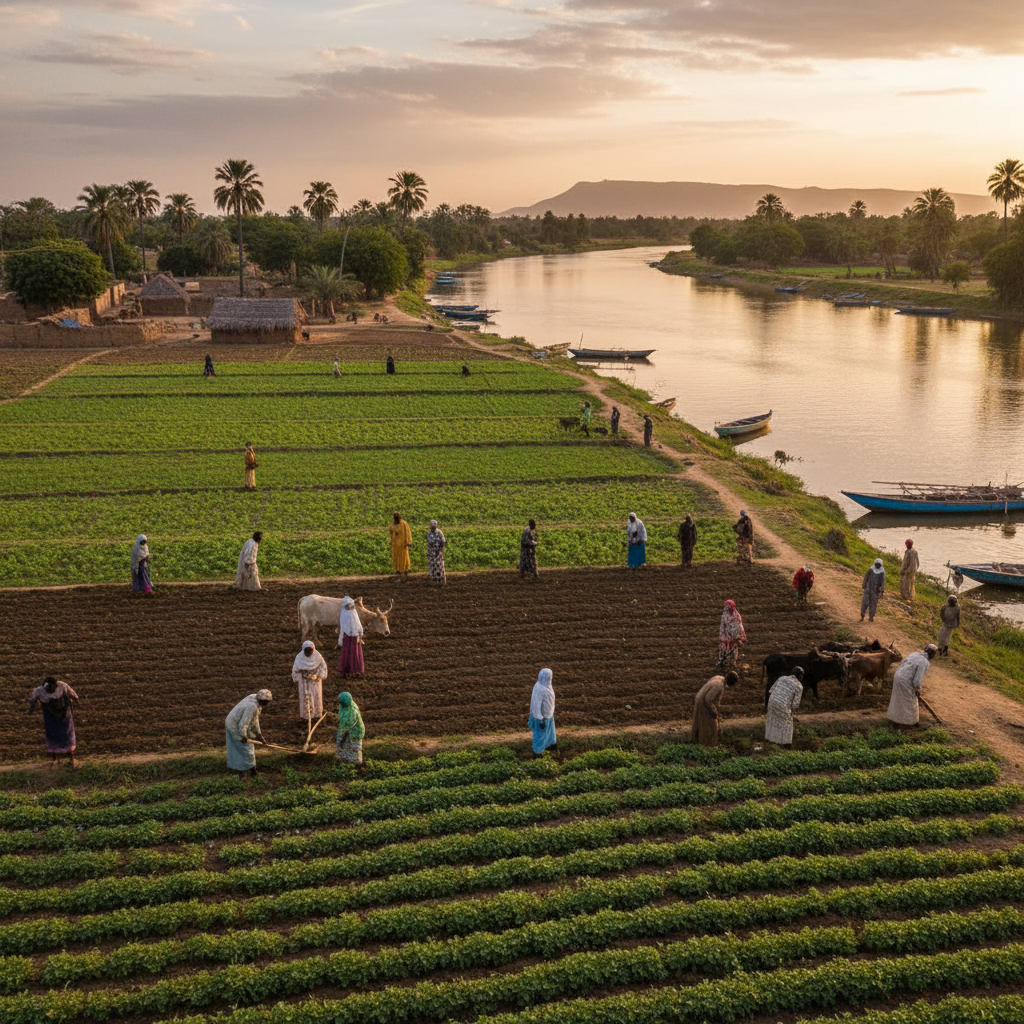
Jubaland benefits from fertile alluvial soils along the Juba River and favorable agro
ecological zones that support crop production during the Gu and Deyr seasons, However,
climate variability increasingly affects productivity and reliability of harvests.
Major Crops Identified
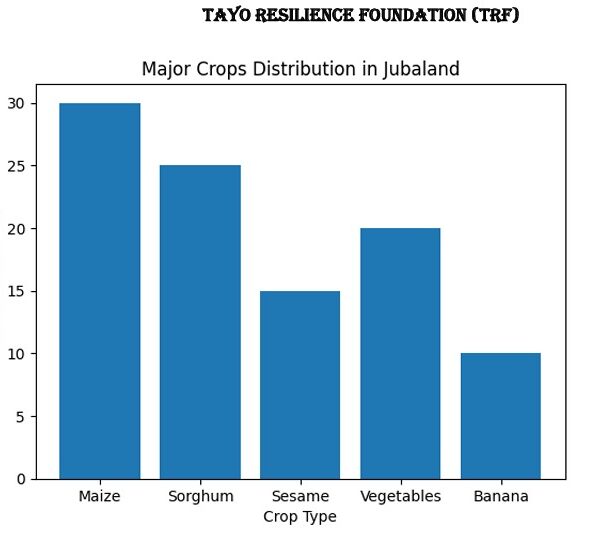
The assessment identified maize, sorghum, vegetables, sesame, and banana as the
dominant crops cultivated by smallholder farmers across Jubaland.
Key Constraints Faced by Farmers
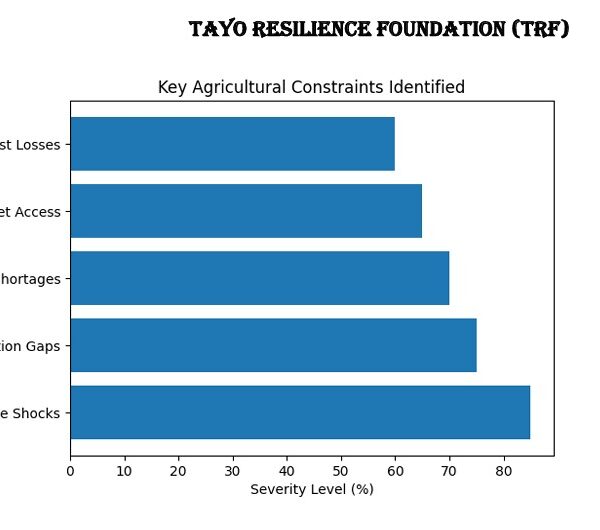
Farmers reported multiple constraints limiting agricultural productivity. Climate shocks
and inadequate irrigation infrastructure were identified as the most severe challenges.
Assessment Coverage
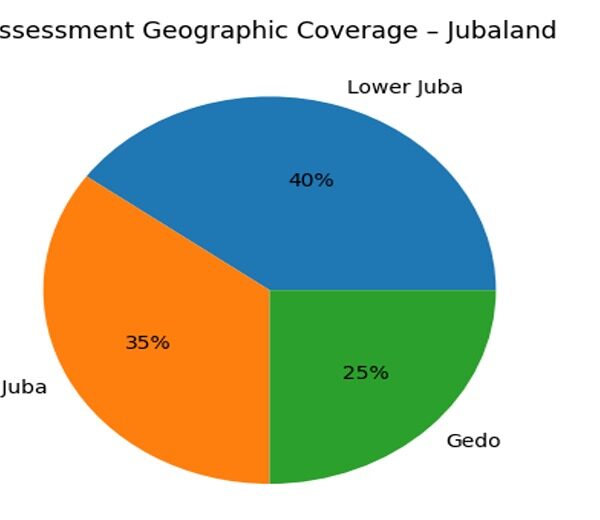
The assessment covered the main agricultural regions of Jubaland to ensure
representative and inclusive findings.
Role of Tayo Resilience Foundation
Tayo Resilience Foundation applies a community-based and resilience-focused approach,
supporting farmers through climate-smart agriculture, rehabilitation of irrigation systems,
capacity building, and market linkages.
Conclusion and Recommendations
The agricultural sector in Jubaland holds strong potential for improving food security and
livelihoods, targeted investments in irrigation, farmer training, input supply, and market
access is essential, Tayo Resilience Foundation is well-positioned to contribute to
sustainable and inclusive agricultural development.