FOOD SECURITY & LIVELIHOOD SECTOR
Tayo Resilience Foundation
Target Area: Jubaland State, Somalia
1. Executive Summary
Food security and livelihood conditions in Jubaland remain highly fragile due to recurrent droughts, floods, conflict, displacement, climate change, and limited livelihood diversification opportunities, Communities in rural, peri-urban, and IDP settings face severe constraints in accessing sufficient, safe, and nutritious food.
Tayo Resilience Foundation recognizes food security and sustainable livelihoods as critical pillars for strengthening resilience, reducing poverty, and promoting long-term development, this assessment identifies major food security challenges, livelihood vulnerabilities, coping mechanisms, and opportunities for intervention.
Key findings indicate:
- High dependence on rain-fed agriculture and livestock
- Frequent droughts and climate shocks affecting food production
- Limited income-generating opportunities
- High unemployment, especially among youth and women
- Widespread poverty and food insecurity among IDPs and rural households
- Limited access to agricultural inputs, markets, and technical support
This assessment provides a foundation for targeted interventions aimed at improving food security, strengthening livelihoods, and building resilient communities.
2. Organizational Background
Tayo Resilience Foundation is a local non-governmental organization committed to strengthening community resilience, improving livelihoods, and addressing humanitarian and development challenges in Somalia.
The Foundation focuses on:
- Food security and nutrition
- Livelihood development
- Climate resilience
- Emergency response
- Community empowerment
The organization works in partnership with communities, government institutions, and humanitarian actors to deliver sustainable and inclusive solutions.
3. Assessment Objectives
3.1 General Objective
To assess food security status and livelihood conditions in Jubaland to inform program design and intervention priorities.
3.2 Specific Objectives
- Assess household food security levels
- Identify major livelihood sources and constraints
- Examine climate and environmental impacts on livelihoods
- Assess access to agricultural inputs and services
- Identify vulnerable population groups
- identify livelihood recovery and development opportunities
4. Geographic Scope
This assessment focuses on key regions within Jubaland including:
- Kismayo
- Afmadow
- Badhaadhe
- Dhobley
- Rural villages
- IDP settlements
- Host communities
5. Methodology
The assessment uses a combination of qualitative and quantitative approaches:
- Community consultations
- Key informant interviews
- Household observations
- Focus group discussions
- Secondary data review
- Stakeholder consultations
Participants included:
- Farmers
- Pastoralists
- Agro-pastoralists
- Women groups
- Youth groups
- IDPs
- Local authorities
6. Livelihood Profile in Jubaland
6.1 Main Livelihood Sources
Primary livelihood activities include:
Agriculture
- Rain-fed crop production
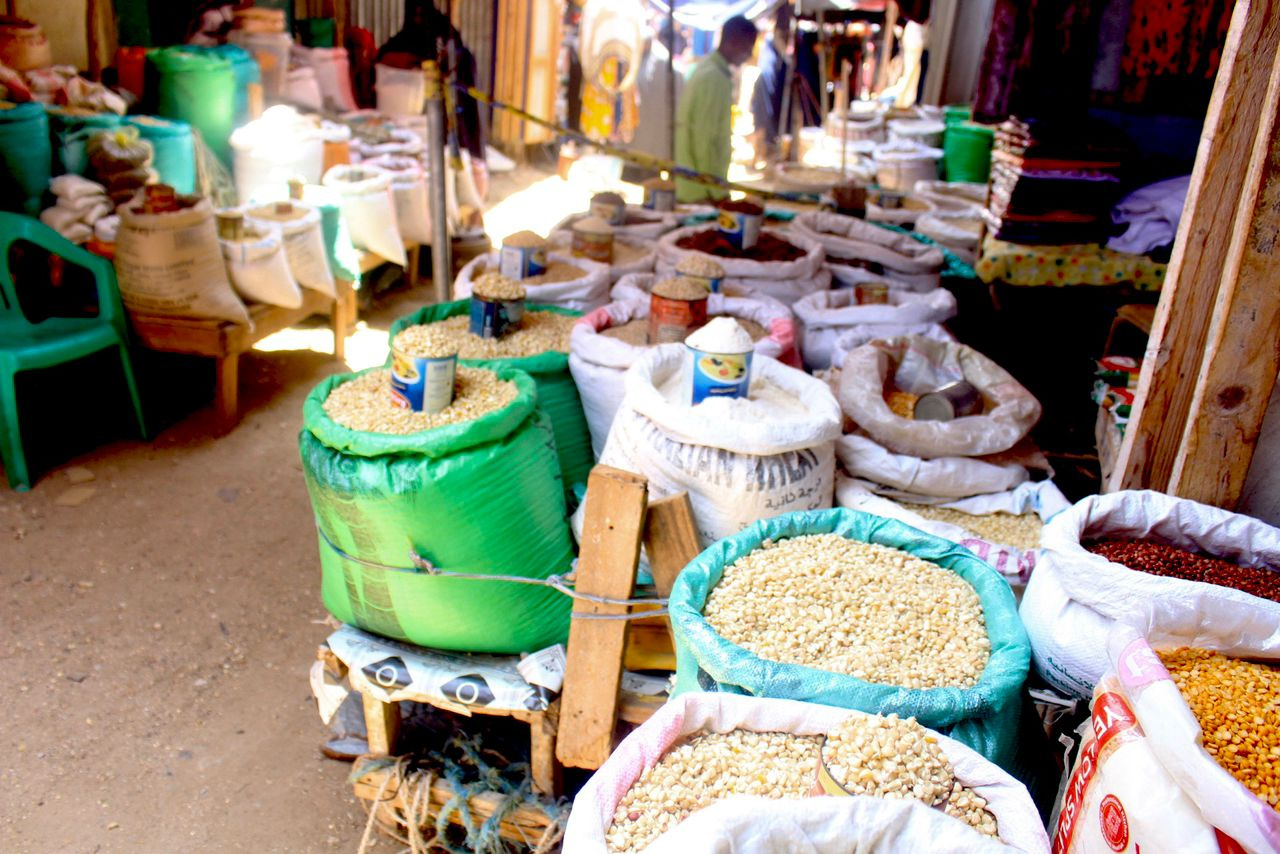
- Maize, sorghum, sesame, vegetables
- Limited irrigation farming
Livestock
- Camel, cattle, goats, sheep
- Milk production
- Livestock trade
Casual labor
- Farm labor
- Construction
- Port and urban labor
Small businesses
- Petty trade
- Food vending
- Small shops
Remittances
- Support from diaspora
7. Food Security Situation
7.1 Food Availability
Food availability is affected by:
- Poor rainfall patterns
- Crop failure
- Livestock losses
- Limited agricultural inputs
Local food production is insufficient to meet household needs.
7.2 Food Access
Many households face limited access to food due to:
- Low household income
- High food prices
- Limited employment opportunities
- Market disruptions
IDPs and female-headed households are among the most vulnerable.
7.3 Food Utilization
Food consumption is affected by:
- Limited dietary diversity
- Poor nutrition knowledge
- Limited access to health services
- Poor sanitation conditions
7.4 Food Stability
Food security is unstable due to:
- Climate shocks
- Drought cycles
- Floods
- Conflict
- Economic shocks
8. Key Livelihood Challenges
8.1 Climate-related challenges
- Recurrent droughts
- Flooding
- Land degradation
- Water scarcity
8.2 Agricultural constraints
- Lack of farming inputs
- Limited irrigation
- Lack of tools and equipment
- Limited technical skills
8.3 Livestock challenges
- Animal diseases
- Lack of veterinary services
- Water shortages
- Loss of grazing land
8.4 Economic challenges
- High unemployment
- Limited income sources
- Weak markets
- Limited financial services
8.5 Vulnerable groups
Most vulnerable groups include:
- IDPs
- Women-headed households
- Youth
- Elderly
- Persons with disabilities
- Poor rural households
9. Coping Mechanisms
Households use several coping strategies including:
- Reducing meal frequency
- Selling livestock
- Borrowing money
- Migration
- Casual labor
- Selling household assets
These coping mechanisms weaken long-term resilience.
10. Priority Needs
Key priority needs identified include:
Agriculture support
- Seeds distribution
- Farming tools
- Irrigation support
- Farmer training
Livestock support
- Veterinary services
- Animal vaccination
- Water access
Livelihood support
- Cash-for-work programs
- Vocational training
- Small business support
Food assistance
- Emergency food support
- Cash assistance
1. Opportunities
Key opportunities include:
- Agricultural potential along river areas
- Livestock market opportunities
- Youth workforce availability
- Community willingness to participate
- NGO and government collaboration
12. Recommended Interventions
Tayo Resilience Foundation proposes the following interventions:
Short-term interventions
- Emergency food assistance
- Cash transfer programs
- Livestock support
- Agricultural input distribution
Medium-term interventions
- Farmer training programs
- Livelihood diversification
- Vocational training
- Small business support
Long-term interventions
- Irrigation development
- Climate resilience programs
- Sustainable agriculture promotion
- Market development
13. Expected Outcomes
Expected outcomes include:
- Improved household food security
- Increased income levels
- Strengthened livelihoods
- Reduced vulnerability
- Increased community resilience
14. Conclusion
Food security and livelihoods in Jubaland face serious challenges due to climate change, poverty, and limited economic opportunities. However, with targeted interventions and community-based approaches, there is strong potential to improve food security and strengthen resilience.
Tayo Resilience Foundation is committed to implementing sustainable food security and livelihood programs that empower communities and promote long-term resilience and development.